Mom Life is the Best: A Designer’s Embroidery Review
As a designer who spends half my life digitizing and the other half stitching, I have learned to look past the initial thumbnail of a design. We all know that what looks crisp on a screen does not always translate cleanly to fabric. When I first pulled up Mom Life is the Best, my immediate reaction was one of cautious optimism. The phrase itself is a staple in the Crafts category, often seen in vinyl decals and sublimation prints, but bringing it into the world of machine embroidery requires a different set of eyes. This review breaks down how this specific graphic performs when moved from digital asset to tangible, stitched reality.
First Impressions and Visual Mood
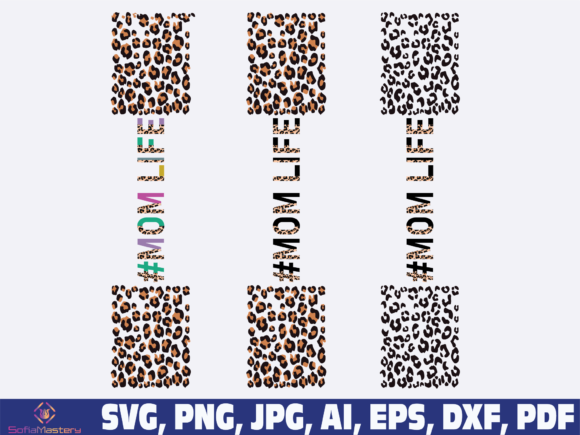
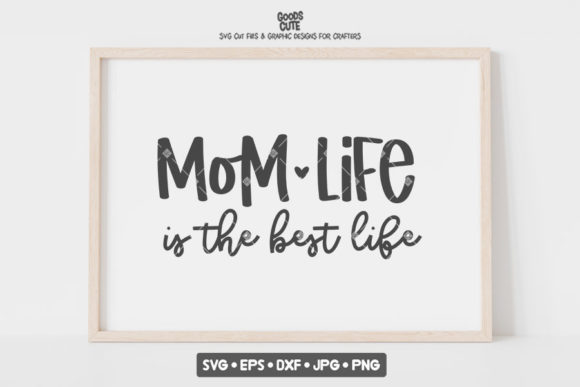
The layout of Mom Life is the Best carries a cheerful, affirming energy. It is not overly ornate, which is actually a strength for embroidery. Complex scripts with excessive flourishes often turn into thread nests on smaller hoops, but this design appears to prioritize legibility. The visual personality suggests warmth and approachability, making it an ideal candidate for personalized gifts and boutique branding. For an Etsy seller or small shop owner, the mood here is crucial; it needs to feel handmade and heartfelt, not mass-produced. The balance between positive and negative space seems well-considered, allowing the thread to breathe rather than creating a dense block of color that might stiffen the fabric.
Real-World Application: The Tote Bag Test
To truly evaluate a design, you must imagine it on a specific product. I mentally placed Mom Life is the Best on a heavy cotton canvas tote bag. This is a popular item for craft fair products and everyday use. On canvas, the design would likely hold its shape well, provided the stitch density is appropriate. If the digitizer has used too many fill stitches, the bag could pucker. However, if the design utilizes a mix of satin stitch for borders and lighter fill patterns for larger areas, it would sit flat and professional. Imagine a customer picking this up at a holiday market; the tactile quality of the raised thread adds value that a printed vinyl decal simply cannot match. It transforms a simple accessory into a statement piece.
Versatility Across Apparel and Home Decor
Beyond totes, this graphic has strong potential in custom apparel. Picture it centered on the chest of a soft, heather-grey sweatshirt. The contrast between the textured embroidery and the fuzzy fabric creates a cozy, premium feel. It also works surprisingly well for baby embroidery projects, such as a onesie or a burp cloth, where the sentiment resonates deeply with new parents. For home decor, consider a kitchen towel or a pillow cover. In these contexts, the design acts as a subtle accent rather than an overwhelming focal point. For apparel decorators, this versatility means one purchase can yield multiple revenue streams across different product lines.
Technical Considerations for Stitching
While the aesthetic is appealing, the technical execution determines whether the finished product looks amateur or professional. Since the original description notes these files are optimized as cut files for vinyl and sublimation, we must assume the embroidery version requires careful handling. Here are critical factors to monitor:
- Stitch Density: Check if the design is too dense for stretchy fabrics. High density can cause tunneling on t-shirts. Always test on scrap fabric first.
- Thread Color Contrast: This design relies on readability. Ensure your thread colors stand out against the background fabric. A dark thread on a dark shirt will vanish.
- Small Details: Inspect any tiny elements or thin lettering. If parts of the design are smaller than 4mm, they may not stitch out cleanly without specialized needles and fine threads.
- Hoop Size: Confirm the design fits your available hoop size. Do not attempt to resize it beyond recommended limits, as this distorts stitch angles and density.
Navigating Fabric Challenges
Not every fabric is a friend to every design. Mom Life is the Best should be used carefully on textured fabrics like terry cloth or waffle knit, where small details can get lost in the pile. Similarly, avoid placing it on very thin, slippery fabrics like silk unless you are an experienced embroiderer using high-quality stabilizer. For curved surfaces like caps, the design layout must be adjusted to follow the curve, otherwise, it will look distorted when worn. Dark fabrics require a underlay stitch strategy that prevents the background color from peeking through the top stitching, which can muddy the visual appeal.
Enhancing Brand Consistency and Trust
For creative entrepreneurs and digital product sellers, consistency is key. Using a well-balanced design like this helps build brand recognition. When customers see clean, crisp stitching, their trust in your handmade product increases. It signals professionalism. Whether you are selling embroidered patches or full garments, the clarity of the text in Mom Life is the Best contributes to a polished presentation. It avoids the cluttered look that often plagues poorly digitized graphics, ensuring your work stands out in a crowded marketplace.
Practical Designer Notes
Before you commit to a large production run or list this as a new item in your shop, take these practical steps. First, always run a test stitch on a similar fabric to your final product. This allows you to check for thread breaks, nesting, or registration issues. Second, view the design in black and white mockups. This strips away the distraction of color and reveals the structural integrity of the stitch paths. Third, verify the licensing terms. While many designs allow for commercial use of finished physical items, selling the digital embroidery file itself is often restricted. Confirm these details to protect your craft business.
Additionally, consider the washing durability. Items like baby clothes and kitchen towels undergo frequent laundering. Ensure your choice of thread—polyester for durability or rayon for sheen—matches the intended use of the final product. A high-quality stabilizer is non-negotiable here; it ensures the design remains stable and does not shift during the wash cycle.
Final Verdict
Mom Life is the Best is a solid addition to any embroidery designer’s library, provided it is treated with technical respect. It bridges the gap between trendy graphic design and traditional needlework. For the hobbyist, it offers a satisfying project with a meaningful message. For the commercial seller, it provides a versatile asset that can be adapted across various mediums, from apparel to home goods. By paying attention to stitch density, fabric choice, and proper stabilization, you can elevate this simple phrase into a high-value, cherished item. It is not just about stitching words; it is about crafting a feeling that resonates with the wearer. With careful execution, this design delivers both aesthetic charm and commercial viability.