Busy Being a Dog Mom: A Designer’s Review
As an embroidery designer who has spent countless hours digitizing and stitching out designs for clients, I have learned that the difference between a cute graphic and a sellable product often comes down to execution. When I first encountered Busy Being a Dog Mom, my immediate reaction was not just about the aesthetic appeal, but about its practical viability in a real-world production environment. This is not merely a digital asset; it is a potential revenue stream for crafters, Etsy sellers, and boutique owners who understand the nuances of thread on fabric.
First Impressions and Visual Personality
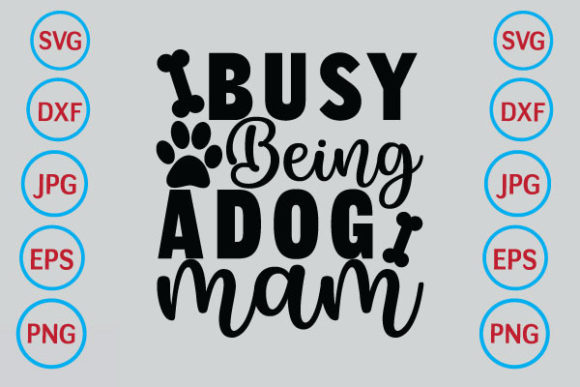
The mood of this design is warm, relatable, and effortlessly charming. It captures the chaotic joy of pet ownership without relying on overly complex details that can cause stitching nightmares. The layout feels balanced, with a visual personality that speaks directly to the target audience: devoted dog owners who wear their love on their sleeves, literally. From a design perspective, the lines appear clean and intentional, which suggests that the underlying vector paths in the included SVG and EPS files are well-constructed. For those of us working in Crafts and Graphics, clean vectors are the foundation of any successful project, whether it ends up as a physical stitch or a printed mockup.
Real-World Application: The Tote Bag Test
To truly evaluate Busy Being a Dog Mom, I mentally placed it on a canvas tote bag, a staple item for any small shop product line. Imagine a natural, unbleached cotton tote. The design needs to stand out against the textured weave. Because the package includes a high-resolution PNG with a transparent background, I can easily create printable mockups to show clients how the final embroidered product might look before I even thread the machine. This is crucial for Etsy sellers who need to maintain a professional presentation in their listings.
If I were stitching this onto a sweatshirt, the softness of the fleece would require careful attention to stitch density. A design that is too dense can make the garment stiff and uncomfortable, while one that is too light may get lost in the pile. The versatility of having DXF and SVG files means I can adjust the scale precisely to fit a left-chest placement or a larger back print, ensuring the proportions remain pleasing regardless of the hoop size I choose.
Navigating Fabric and Hoop Constraints
While Busy Being a Dog Mom appears versatile, there are specific scenarios where caution is required. Embroidery is unforgiving on certain surfaces. If you plan to use this on a curved surface like a cap, you must consider the distortion that occurs during stitching. The design should be tested on a scrap piece of the same material to ensure that any fine lines do not break or merge. Similarly, when working with stretchy fabrics like jersey knits for t-shirts, using the correct stabilizer is non-negotiable. Without proper support, the design can pucker, ruining the visual appeal and perceived value of the handmade product.
Dark fabrics present another challenge. If the design relies on subtle color variations, it may lose definition against black or navy blue. In such cases, I recommend testing the design with high-contrast thread colors. The inclusion of vector-editable EPS files allows for easy color separation checks, helping me decide if a satin stitch border might help define the edges against a dark background. Always check the stitch density and confirm hoop size compatibility with your specific machine before committing to a final product.
Commercial Viability and Brand Consistency
For commercial embroidery projects, consistency is key. A design like Busy Being a Dog Mom fits seamlessly into a broader collection of pet-themed assets. It enhances brand consistency for shops specializing in personalized gifts. Customers trust brands that offer cohesive, high-quality items. Whether it is used for holiday embroidery on aprons or as a year-round bestseller on baby clothes, the design’s clarity contributes to buyer engagement. It is not just about selling a stitch; it is about selling an emotion and a lifestyle.
The fact that the file set includes formats compatible with Cricut, Silhouette, and Inkscape expands its utility beyond just machine embroidery. This makes it a valuable asset for hybrid creators who might combine heat transfer vinyl with embroidery, or who need scalable graphics for packaging and labels. This multi-format approach supports a more robust craft business strategy, allowing for diverse product offerings from a single purchase.
Practical Designer Notes for Best Results
Before you run this design on a customer’s expensive garment, follow these practical steps to ensure a professional finished product:
- Test on Scrap Fabric: Always stitch out a test sample on the same type of fabric you intend to use for the final item. This reveals issues with tension, density, and registration.
- Check Thread Color Contrast: View the design in black and white to ensure the shapes are distinct. If elements blend together, adjust your thread palette for better definition.
- Review Stitch Density: If the design feels heavy, consider reducing the density in your digitizing software if you have the skills, or choose a lighter weight fabric that can handle the stitch count.
- Confirm Licensing: While the files are provided for use, always double-check the specific license terms regarding commercial sales. Ensure you are compliant when selling finished items or using the graphics in digital products.
- Use Proper Stabilizer: Match your stabilizer to your fabric. Cut-away stabilizers are often best for stretchy knits, while tear-away works well for stable wovens like tote bags.
Final Verdict on Design Assets
In the world of digital embroidery files, not all designs are created equal. Busy Being a Dog Mom stands out as a thoughtful, usable asset for serious makers. It balances aesthetic charm with technical practicality. For the hobbyist, it offers a fun project for personal gifts. For the professional, it provides a reliable element for custom apparel and boutique merchandise. By understanding the limitations of your materials and respecting the technical requirements of embroidery, you can transform this digital file into a tangible, high-value product that resonates with customers. Remember, the quality of your finished product reflects directly on your brand, so take the time to prep, test, and execute with precision.